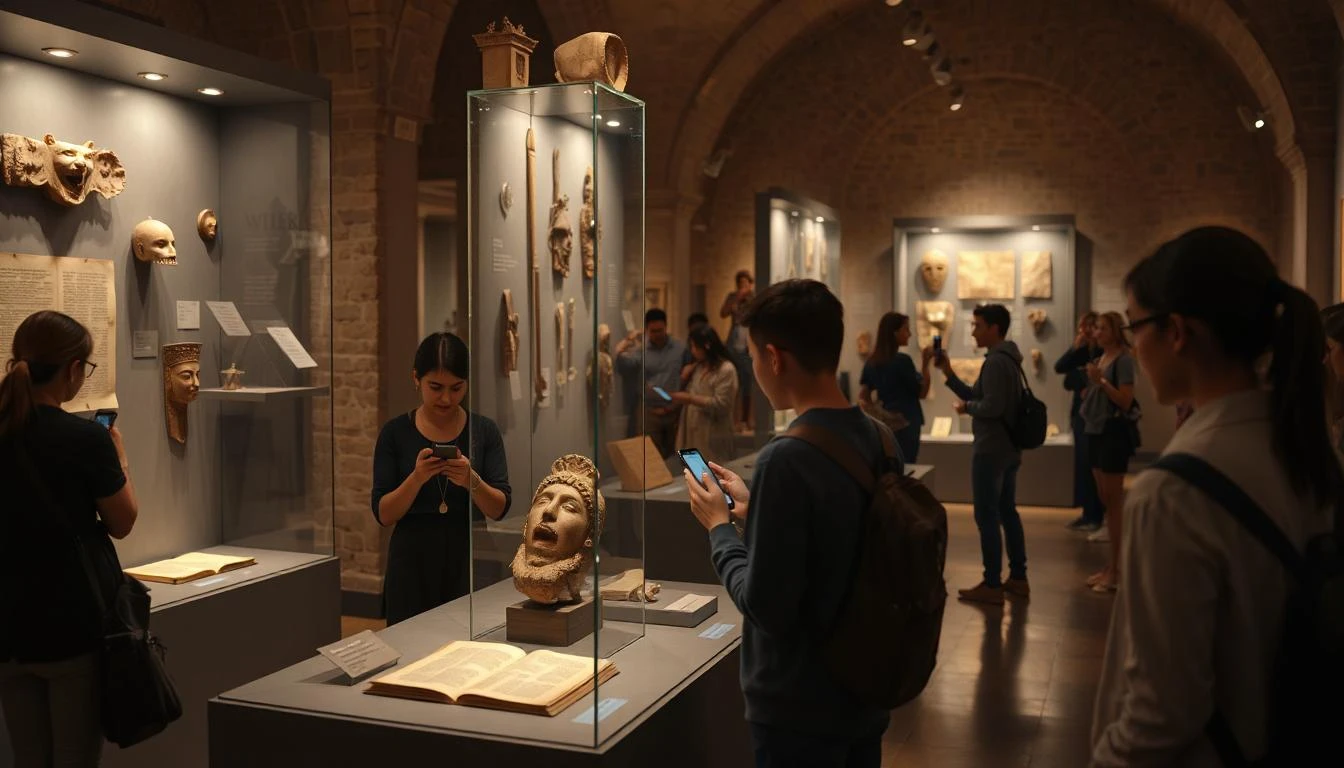
Museum Insights Changing Digital Entertainment
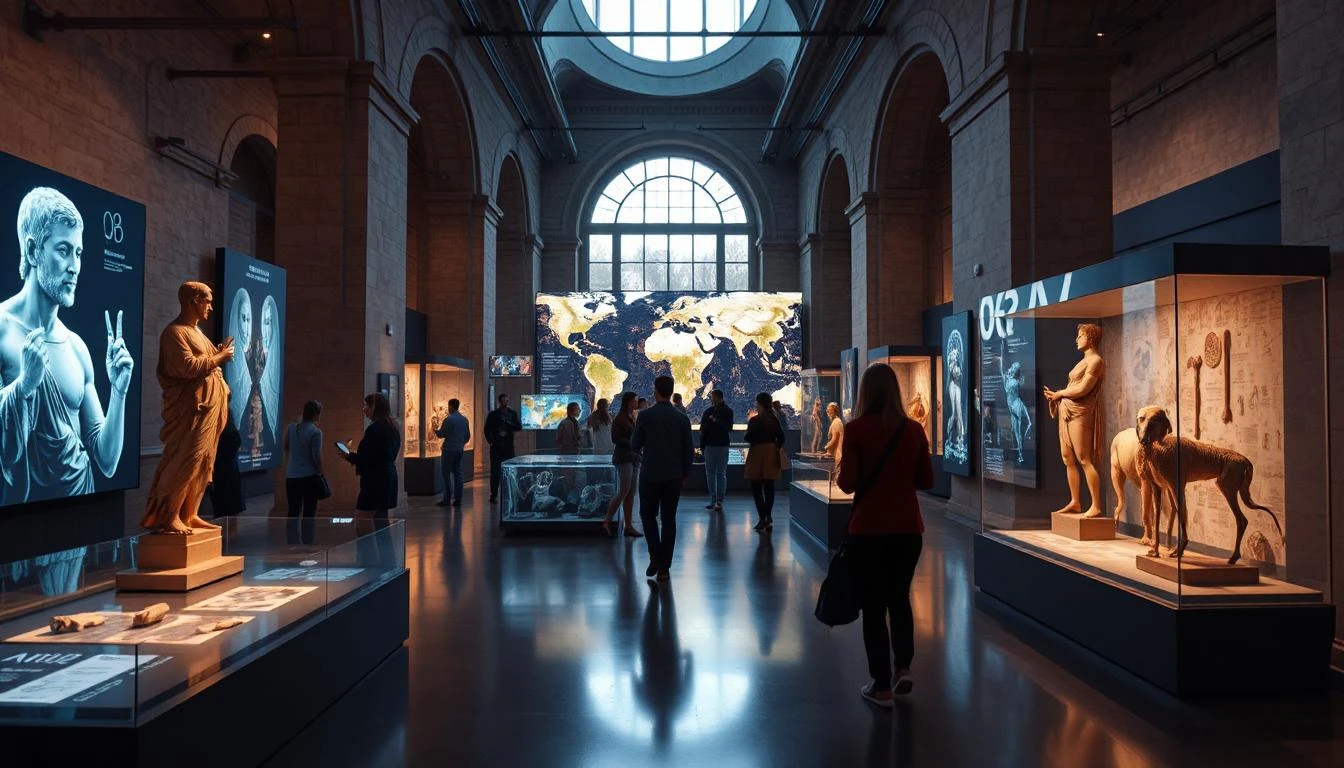
Museums are no longer seen as quiet places filled with old artifacts and long explanations. Today, they are becoming part of modern entertainment by combining technology, storytelling, and immersive digital experiences that attract audiences from around the world.
The growth of digital museum experience trends shows how cultural spaces are evolving into interactive entertainment platforms. People now enjoy exploring history through virtual tours, social media videos, and AI-powered exhibitions that feel more engaging and accessible than traditional museum visits.
How Museums Adapt To Modern Digital Trends
Museums are changing rapidly to match modern audience behavior and digital entertainment habits. They now focus on creating experiences that feel interactive, visual, and easy to access through online platforms.
The popularity of interactive history entertainment content has encouraged museums to invest in virtual experiences, social media campaigns, and immersive storytelling. This transformation helps cultural institutions remain relevant while reaching younger audiences globally.
Virtual Museum Tour Experiences
Virtual museum tours allow people to explore famous collections without traveling physically. Many museums now offer 360-degree galleries and interactive digital walkthroughs for global audiences. These experiences make history feel more accessible and entertaining for modern users.
Interactive Online Exhibitions
Interactive exhibitions combine animation, multimedia visuals, and digital storytelling into one engaging experience. Visitors can interact with artifacts, explore hidden details, and access information instantly online. This approach makes educational content feel more dynamic and enjoyable.
Social Media Content From Museums
Museums actively use TikTok, Instagram, and YouTube to attract younger audiences worldwide. Short videos about history, restoration projects, and hidden artifacts often gain massive engagement online. This strategy helps museums stay connected with modern entertainment culture.
Museum Content Becoming Popular Online
Online audiences are becoming more interested in historical storytelling and rare cultural discoveries. Museums are responding by creating content that feels educational while still entertaining and visually appealing.
This digital approach allows museums to compete with mainstream entertainment platforms more effectively. Audiences now consume museum content not only for learning, but also for immersive and emotional experiences.
Behind The Scenes Restoration Projects
Restoration projects often attract attention because audiences enjoy watching damaged artifacts return to life. These videos create curiosity while showing the detailed work behind cultural preservation. Many restoration clips have become viral across social media platforms.
Rare Artifact Educational Stories
Rare artifact stories help audiences connect emotionally with ancient history and forgotten civilizations. Museums now present these stories using cinematic visuals and engaging narration styles. This storytelling approach makes historical content easier to understand and more memorable.
Creative Museum Marketing Campaigns
Museums are using creative digital campaigns to increase audience interaction online. Some institutions create augmented reality filters, livestream events, and interactive challenges for visitors. These campaigns make museums appear more modern and approachable.
Future Of Museums In Digital Entertainment
Technology will continue shaping the future of museums and digital entertainment worldwide. Artificial intelligence, virtual reality, and global online access are becoming major parts of modern museum experiences.
Museums are no longer only preserving history, but also transforming how people experience culture digitally. This shift positions museums as important players within the future entertainment industry.
AI Powered Exhibition Experiences
AI technology helps museums personalize exhibitions based on visitor interests and behavior. Some museums now use AI guides and interactive voice assistants during virtual experiences. This creates a more immersive and customized entertainment journey.
Immersive Virtual Reality Museum Tours
Virtual reality allows visitors to explore reconstructed historical locations in immersive ways. Users can walk through ancient cities and experience historical environments digitally. This technology makes museum entertainment feel more realistic and engaging.
Global Access To Historical Collections
Digital platforms allow people worldwide to access museum collections without physical limitations. Online archives and virtual galleries help preserve and share cultural heritage globally. This accessibility makes museums more inclusive for international audiences.
Explore Modern Museum Experiences And Digital Culture Today
Museums are transforming into digital entertainment spaces that combine education, creativity, and immersive storytelling. Their ability to connect history with modern technology makes them increasingly popular among global audiences searching for meaningful entertainment experiences.
Media theorist Henry Jenkins once explained that audiences are drawn to participatory storytelling because it creates stronger emotional connections. As museums continue evolving digitally, they are proving that history can become one of the most engaging forms of entertainment in the modern world.